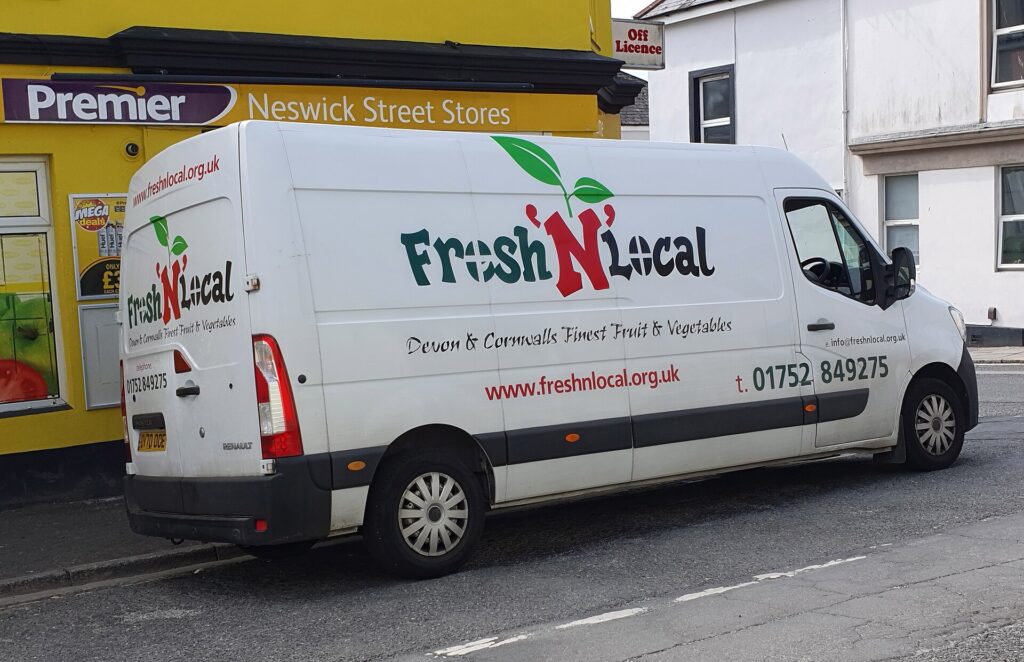

I built a tool that audits undelivered tickets to make sure the correct delivery fees were applied — an algorithm that flags every instance where a fee was undercharged, closing a quiet revenue leak and standardizing how fees get applied.
Revenue Leaking One Ticket at a Time
Delivery fees are easy to get wrong and hard to catch — a missed or undercharged fee here and there adds up to real revenue leakage that never shows on any report. Finding those gaps by hand across every ticket wasn’t feasible; it needed a tool that checked them all, automatically.
What I Delivered

Ticket-by-ticket audit
Checked every undelivered ticket to verify the correct delivery fee had been applied.
Undercharge detection
Built an algorithm that flagged any instance where a delivery fee was insufficiently charged.
Standardized fees
Standardized the fee-application process so charges stayed consistent going forward.
Revenue assurance
Recovered undercharged fees and tightened financial reporting — revenue leakage sealed.

Skills & Tools
The stack behind this build — tap any to see related work.
The Impact
Undercharged delivery fees caught and corrected, a standardized fee process, and cleaner financial reporting — a quiet source of revenue leakage turned into assured, accurate billing.
What Gets Audited Gets Recovered
The revenue you never notice leaking is the hardest to fix. An automated audit that checks every ticket turned an invisible loss into recovered dollars, and made correct fees the default, not the exception.
Image credits: “Fresh'n'Local delivery van, Neswick Street, Plymouth, Devon – May 2025” by Mutney (CC BY 4.0) · “Magnifying glass” by Tomomarusan (CC BY 2.5) · “DesignEthnographyStudioLifeAnalysis5” by Kalsau (CC BY 2.0) · “FileStack” by Niklas Bildhauer (CC BY-SA 2.0) · “1000 United States two-dollar bills in shrink wrap” by Edward Betts (CC BY-SA 3.0) · “Robert Durec portrait working on laptop in studio” by RobertDurec (CC BY 4.0)