
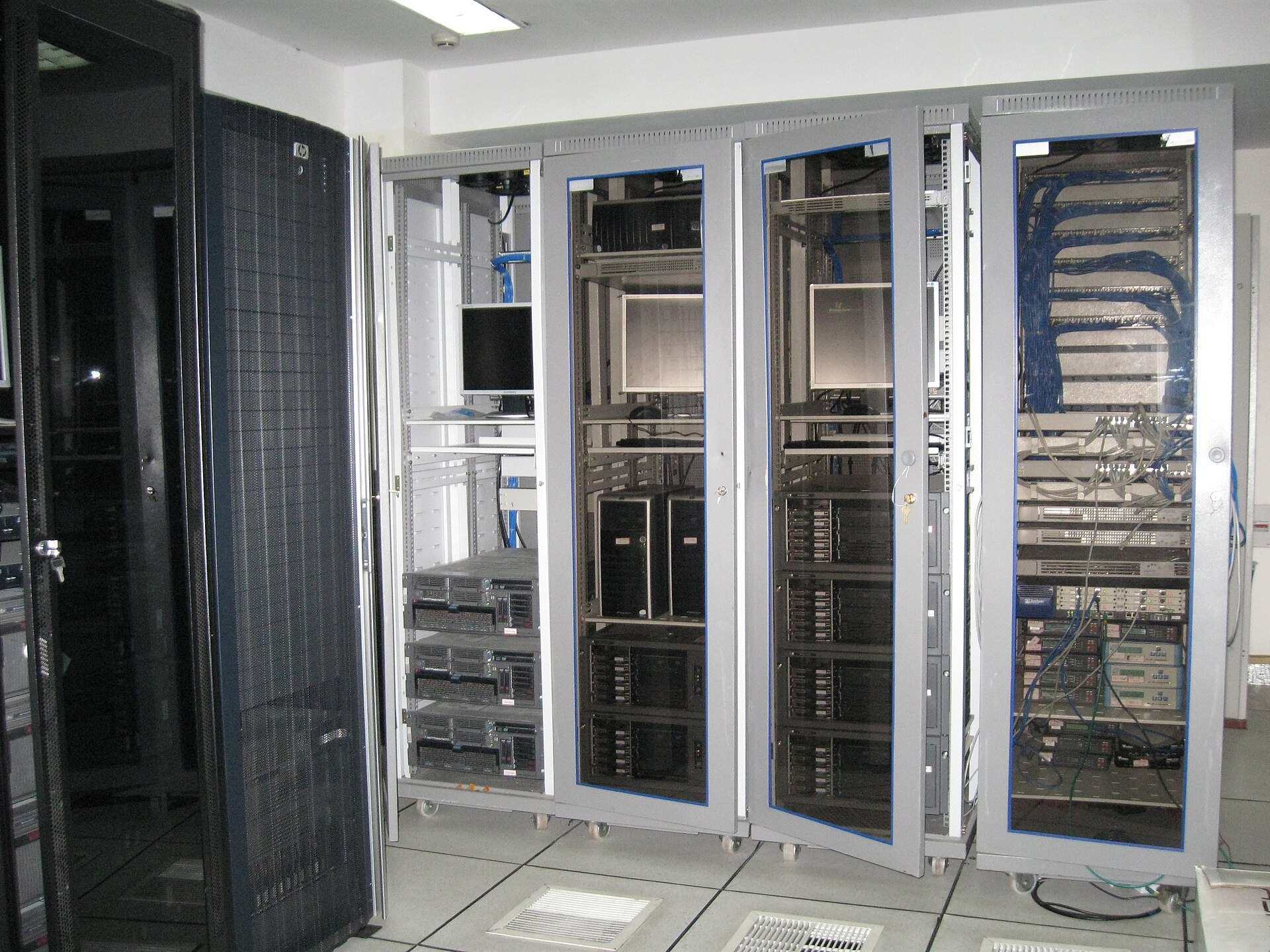
I led the conversion of 12 locations from Fortinet FortiWAN appliances to pfSense firewalls — cutting recurring support-contract costs and, just as importantly, unlocking capabilities the proprietary gear had kept behind a license.
The Cost of the Contract
Twelve locations ran on Fortinet FortiWAN appliances, each carrying a recurring support contract and each boxing us into whatever the vendor’s license allowed. The savings from moving to pfSense were obvious; the risk was doing it across a dozen live sites without disrupting a single one.
What I Delivered

12 locations converted
Migrated all twelve sites from FortiWAN to pfSense — each cut over with minimal disruption to business.
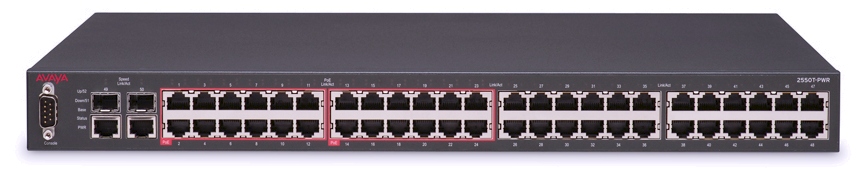
pfSense deployed
Stood up pfSense firewalls tuned to each site — open-source flexibility replacing locked-down appliances.

Support-contract savings
Eliminated the recurring FortiWAN support contracts across the fleet — substantial, ongoing cost savings.
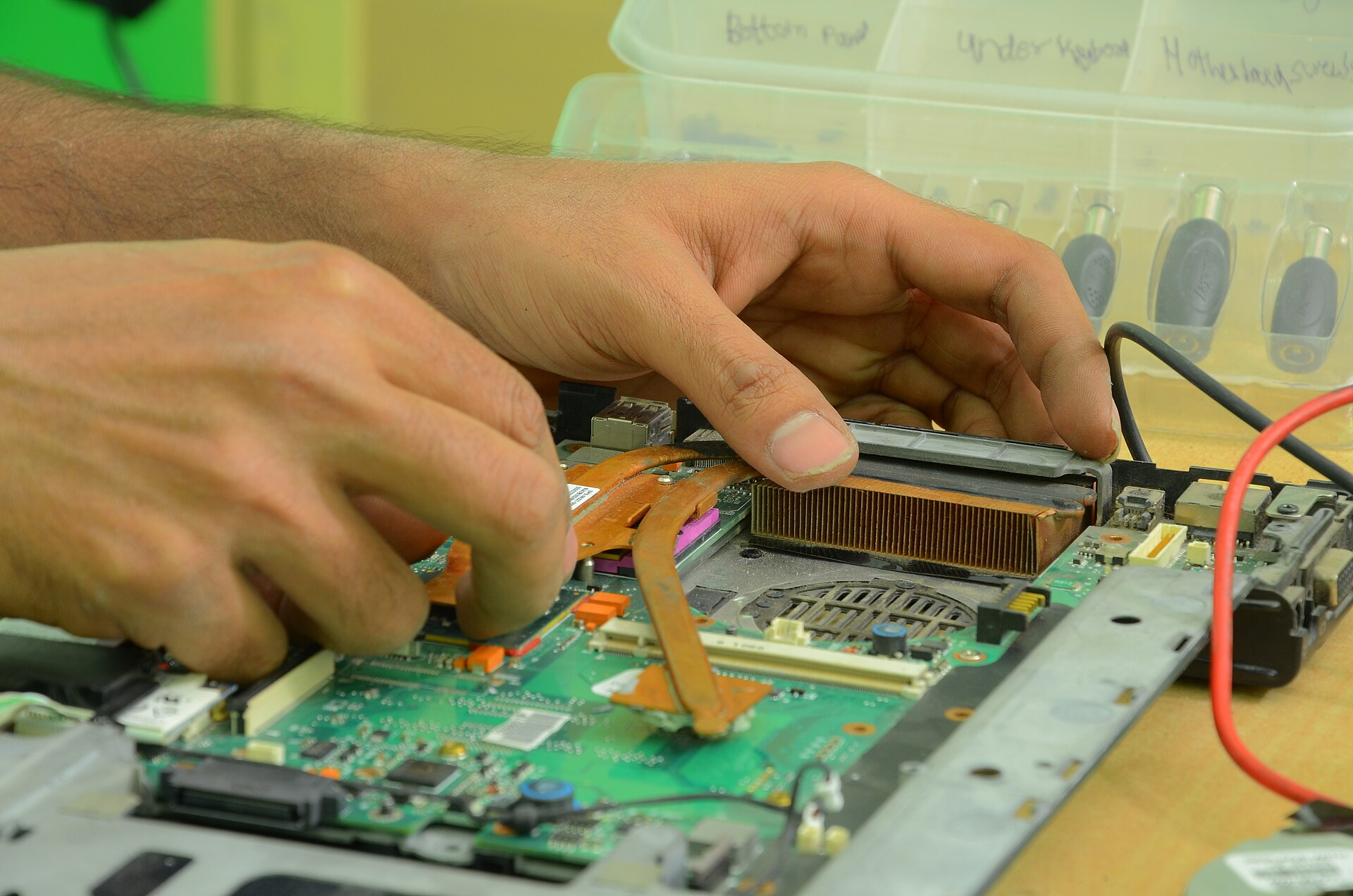
New capabilities unlocked
Gained routing, VPN, and monitoring options the proprietary licenses had kept out of reach.

Skills & Tools
The stack behind this build — tap any to see related work.
The Impact
Twelve locations running on flexible, open-source firewalls — recurring support costs gone, capabilities expanded, and not a site lost to the transition.
Open Source, Open Options
Proprietary network appliances charge twice: once for the box, and again every year to keep it useful. Converting twelve sites to pfSense cut the recurring bill and handed the network back its flexibility.
Image credits: “Servers in a Rack” by Abigor (CC BY-SA 3.0) · “139 Server Room 01” by Indrajit Das (CC BY-SA 3.0) · “2550T-PWR-Front” by Geek2003 (CC BY-SA 3.0) · “Computer repair in progress” by Vintechcomputerservices (CC BY-SA 4.0) · “Cern datacenter” by Hugovanmeijeren (CC BY-SA 3.0)