
I rebuilt the inventory in our custom-built warehouse operations and service platform from a quantity-based model to full serialized inventory — every part tracked as a unique unit. The revamp added returns handling, physicality and location awareness, transfers, and complete inventory history, and connected to the corporate service-parts ordering system so parts ingest automatically.
Quantities Don’t Tell the Whole Story
A quantity-based inventory can tell you how many parts you have, but not which ones, where they are, or what happened to each — and returns, transfers, and location moves all fall through the cracks. Serializing the inventory meant rebuilding the model around the individual unit, and feeding it cleanly from the corporate service-parts catalog.
What I Delivered

Serialized inventory model
Rebuilt inventory so every part is tracked as a unique, individually identifiable unit.

Returns & physicality
Added returns handling and real physical-state tracking, not just running counts.
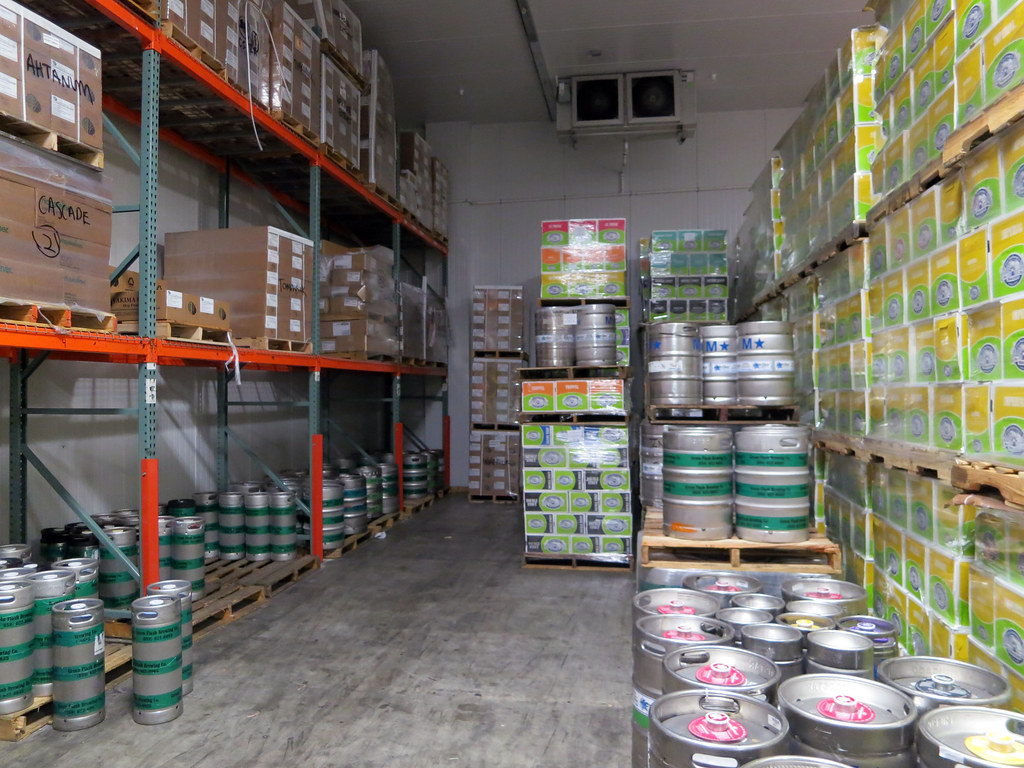
Locations & transfers
Made parts location-aware and enabled clean transfers between them.

Full inventory history
Captured a complete history for every unit — a real audit trail per part.
Skills & Tools
The stack behind this build — tap any to see related work.
The Impact
The warehouse platform now tracks inventory at the unit level — returns, physicality, locations, transfers, and per-part history all in place — with parts ingesting automatically from the corporate parts-ordering system instead of being keyed by hand.
Know Every Unit, Not Just the Count
Aggregate counts hide exactly the details that cost money — the wrong part, the missing return, the untracked transfer. Serializing the inventory turned a running tally into a system that knows every unit, where it is, and what happened to it.
Image credits: “Modern warehouse with pallet rack storage system” by Axisadman (CC BY-SA 3.0)