
I rebuilt AccuDash’s inventory from a quantity-based model to full serialized inventory — every part tracked as a unique unit. The revamp added returns handling, physicality and location awareness, transfers, and complete inventory history, and connected to the SPOT corporate system so parts ingest automatically.
Quantities Don’t Tell the Whole Story
A quantity-based inventory can tell you how many parts you have, but not which ones, where they are, or what happened to each — and returns, transfers, and location moves all fall through the cracks. Serializing the inventory meant rebuilding the model around the individual unit, and feeding it cleanly from the SPOT corporate catalog.
What I Delivered

Serialized inventory model
Rebuilt inventory so every part is tracked as a unique, individually identifiable unit.

Returns & physicality
Added returns handling and real physical-state tracking, not just running counts.
Locations & transfers
Made parts location-aware and enabled clean transfers between them.

Full inventory history
Captured a complete history for every unit — a real audit trail per part.
Skills & Tools
The stack behind this build — tap any to see related work.
The Impact
AccuDash now tracks inventory at the unit level — returns, physicality, locations, transfers, and per-part history all in place — with parts ingesting automatically from SPOT instead of being keyed by hand.
Know Every Unit, Not Just the Count
Aggregate counts hide exactly the details that cost money — the wrong part, the missing return, the untracked transfer. Serializing the inventory turned a running tally into a system that knows every unit, where it is, and what happened to it.
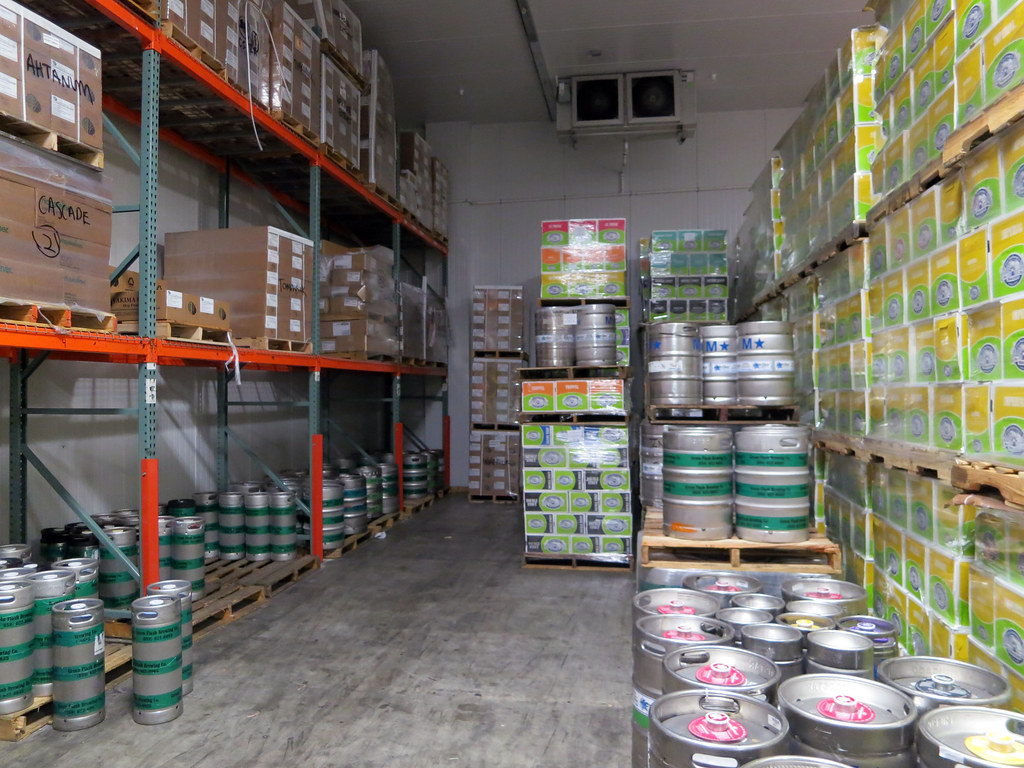
Image credits: “Modern warehouse with pallet rack storage system” by Axisadman (CC BY-SA 3.0)