

I built a Digital Customer Assistant at La-Z-Boy Southeast on the Twilio platform — automating delivery and service scheduling through SMS, MMS, and call handling. By replacing manual customer contact with timely, personalized automation, it cut unscheduled deliverables by 65%.
The Cost of Unscheduled
Every delivery a customer didn’t confirm was a truck rolling on a guess — wasted miles, missed stops, frustrated customers. Reaching everyone by hand didn’t scale, and the gaps showed up as unscheduled deliverables the operation quietly absorbed as cost.
What I Delivered

Twilio automation
Built on Twilio's SMS, MMS, and call APIs to reach customers on the channels they actually answer.

Self-serve scheduling
Customers confirmed and scheduled deliveries and service themselves — hassle-free, on their own time.

Personalized follow-up
Timely, personalized outreach that met needs and addressed concerns before they became complaints.
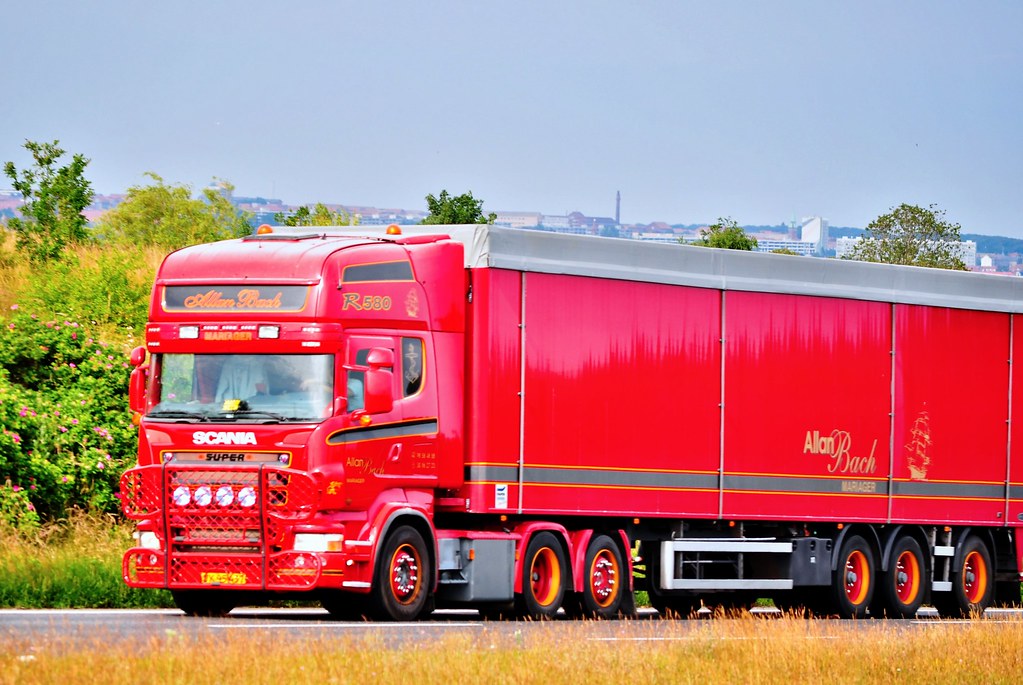
Truck efficiency
Fewer unscheduled stops meant fuller, smarter routes — measured, not guessed.
Skills & Tools
The stack behind this build — tap any to see related work.
The Impact
Unscheduled deliverables dropped 65%. Trucks ran fuller and smarter, customers scheduled on their own terms, and the follow-up that used to eat staff hours happened automatically. Efficiency and satisfaction moved together.
Automation That Pays for Itself
This is what customer-contact automation looks like pointed at logistics: reach people where they are, let them self-serve, and let the routes tighten themselves. A 65% cut in unscheduled work is the kind of number that funds the next project.