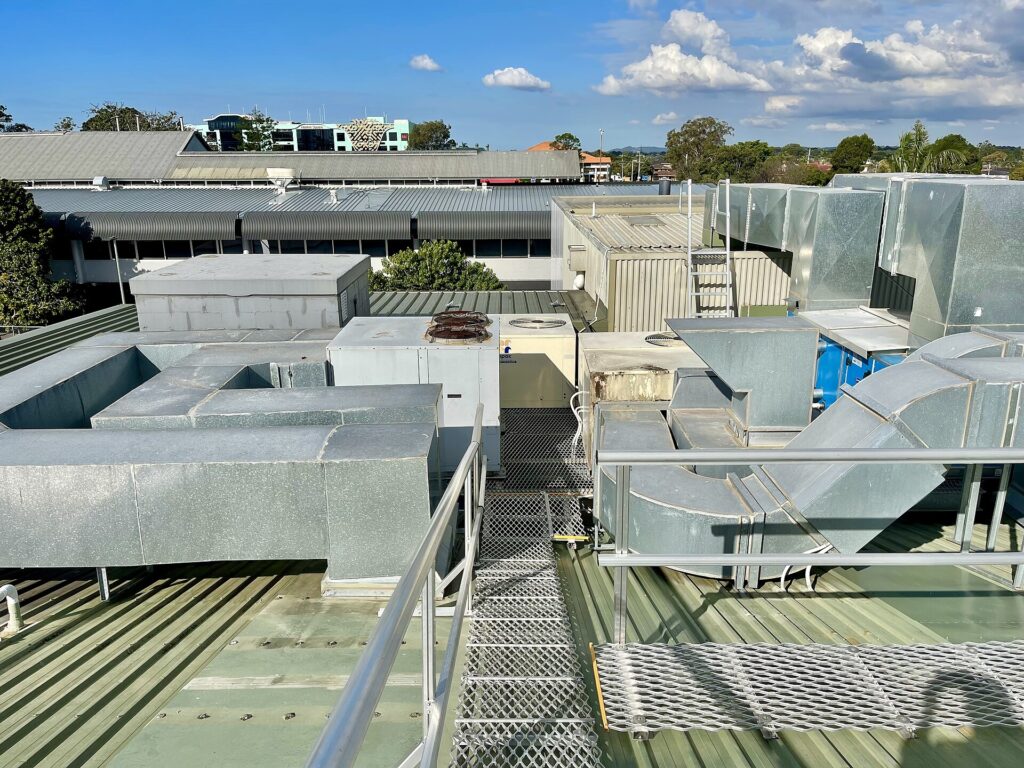

I led the conversion to Pelican smart thermostats across our facilities — managing HVAC technicians and the IT side of the rollout to deliver measurable energy savings and real-time visibility into every HVAC system.
HVAC You Can’t See Is HVAC You Can’t Save
Conventional thermostats run blind: no visibility, no scheduling intelligence, no way to catch a system running when nobody’s there. Converting to networked smart thermostats promised energy savings and monitoring, but it meant coordinating HVAC technicians and IT together to bring the building’s climate systems online.
What I Delivered

Smart thermostats deployed
Rolled out Pelican networked thermostats to bring the building's HVAC under intelligent, schedulable control.
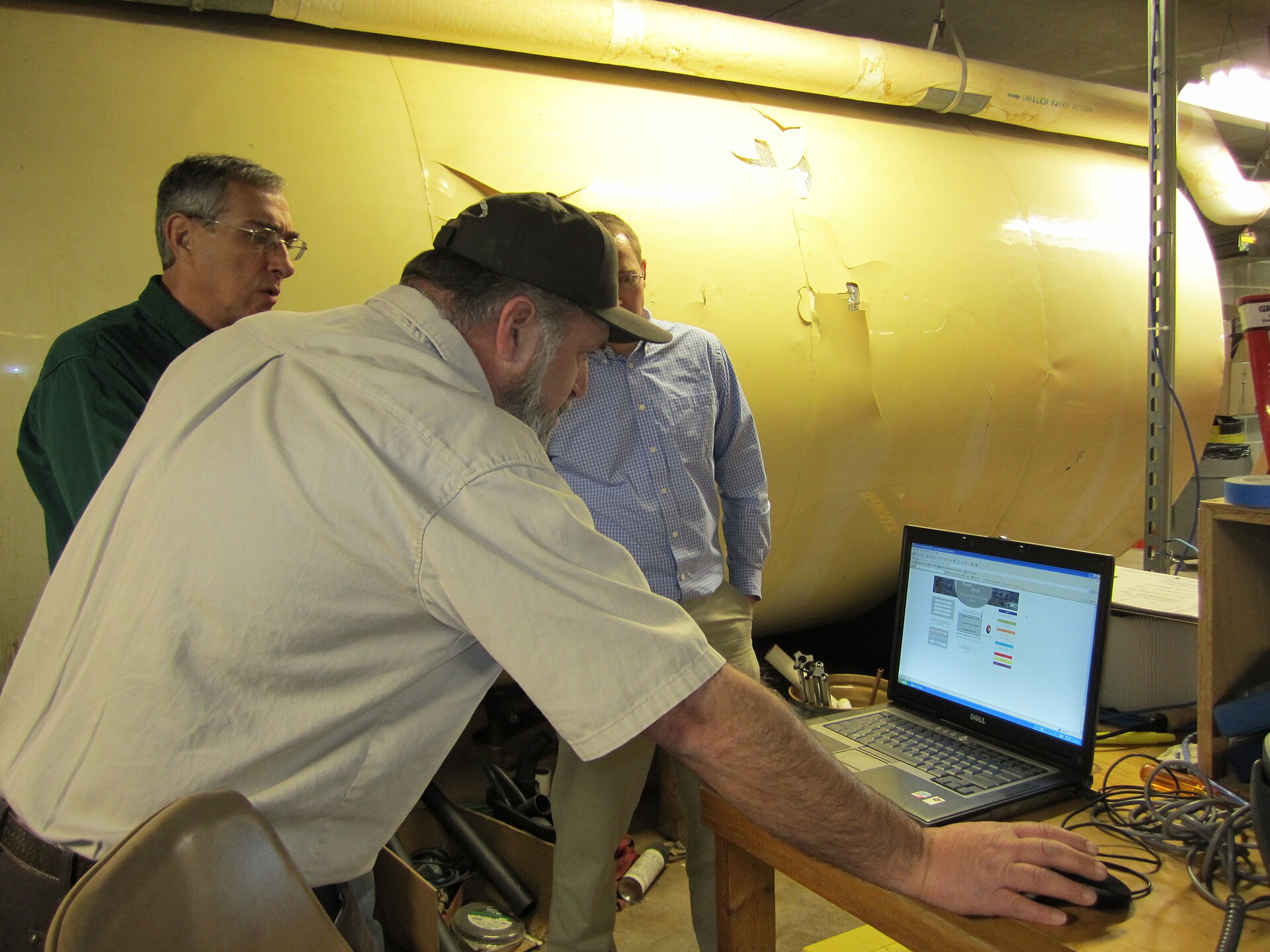
HVAC technician coordination
Managed a team of HVAC technicians alongside the IT work to install and integrate the new controls.
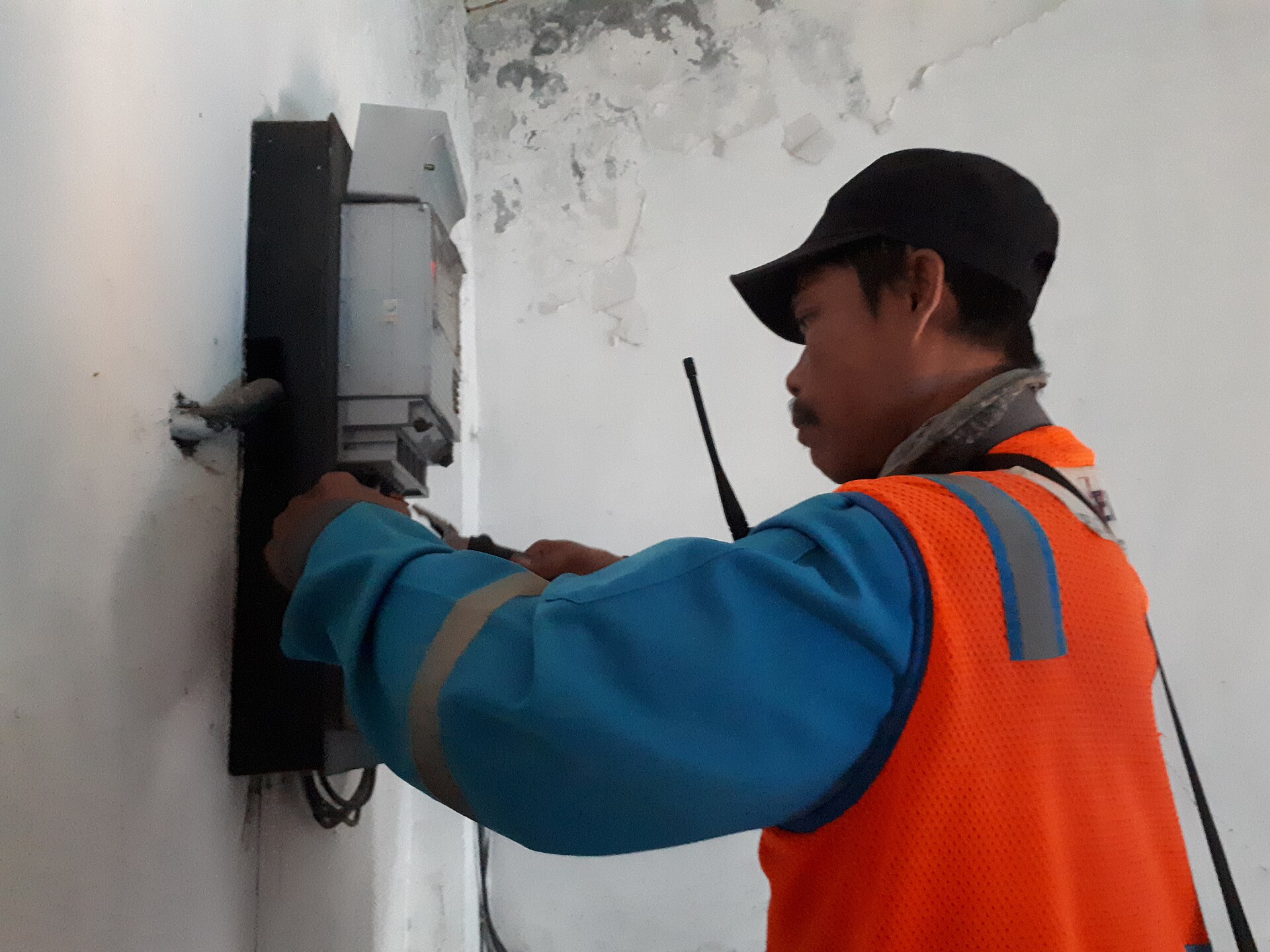
Energy savings
Turned scheduling and setback control into significant, ongoing energy savings.
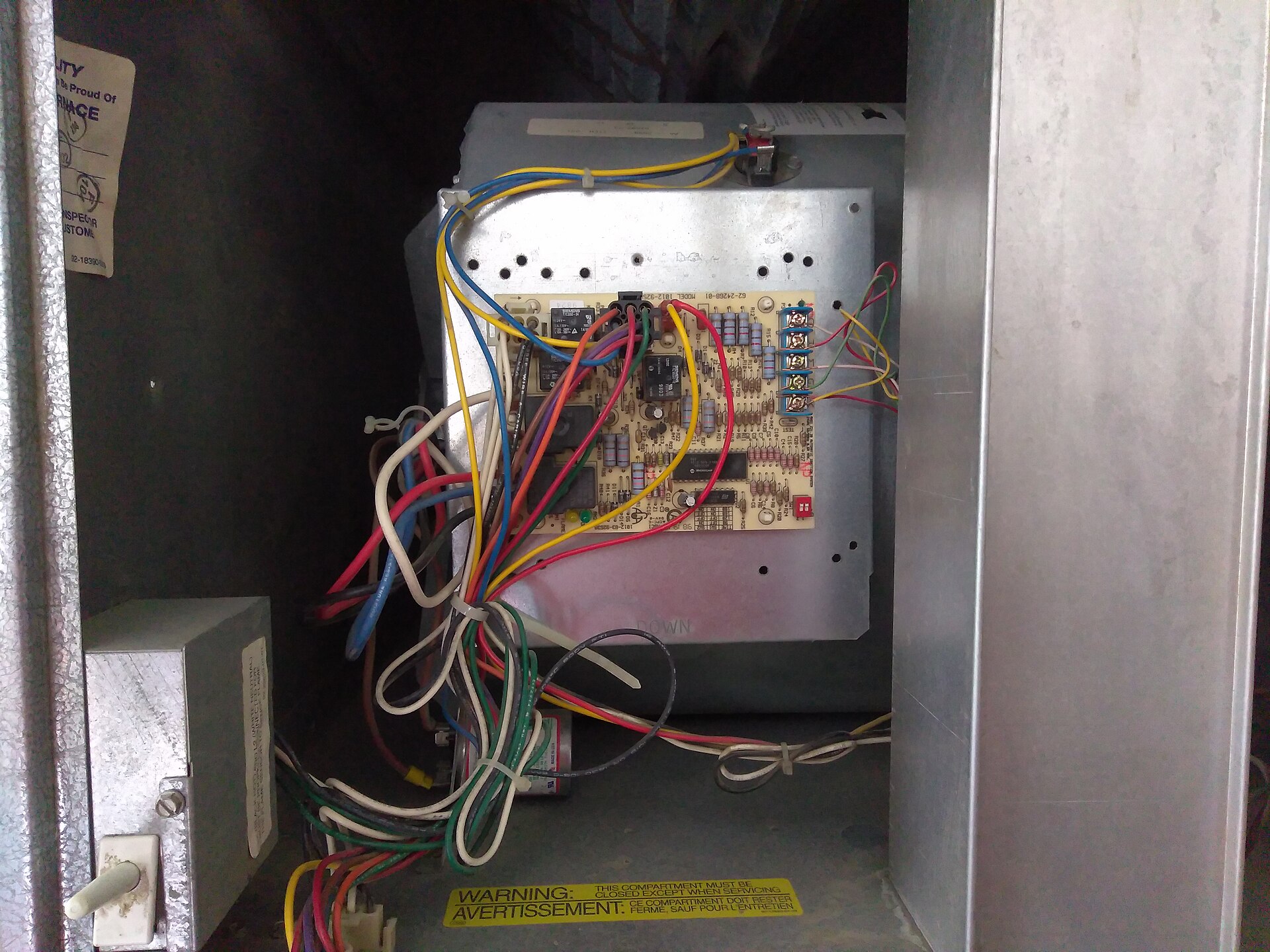
Real-time monitoring
Gained real-time monitoring of every HVAC system — problems visible before they became bills.
Skills & Tools
The stack behind this build — tap any to see related work.
The Impact
Networked climate control with real-time monitoring and measurable energy savings — HVAC that finally reports on itself instead of quietly running up the bill.
Sustainability That Pays for Itself
Smart thermostats aren’t just greener, they’re cheaper, and they tell you when something’s wrong. Pairing the HVAC and IT work turned the building’s climate systems from a blind cost center into a monitored, efficient one.
Image credits: “Rooftop air conditioning, Sunnybank Private Hospital, Queensland, 01” by Kgbo (CC BY-SA 4.0) · “Digital thermostat wall” by Dvortygirl (CC BY-SA 3.0) · “Control circuit in household HVAC unit” by Idahoprogrammer (CC BY-SA 4.0) · “Illuminated white and purple facade of the office building Rohm Semiconductor in Kyoto, Japan” by Basile Morin (CC BY-SA 4.0)